

REAP Grant Assistance

Turn the sun into savings on your farm or rural business.

The USDA Rural Energy for America Program (REAP) can cover up to half the cost of solar and energy-efficiency projects for Arkansas farmers and rural small businesses. Get access to real support and technical assistance – at no cost.

What is REAP?

The federal grant most rural businesses qualify for — and don't know about.

The USDA Rural Energy for America Program (REAP) provides grants and guaranteed loans to agricultural producers and rural small businesses to install renewable energy systems or make energy-efficiency improvements. Awards can cover up to half of eligible project costs — often combined with a USDA-guaranteed loan for the remainder.

50%
Project cost covered (max)
$1M+
Maximum grant award
$0
You pay for our help
Solar panels installed at the base of an Arkansas grain bin operation
Who Qualifies

Two paths to eligibility — most Arkansas operators fit one.

REAP funds two clear categories of applicants. If you're in either group, we can help.

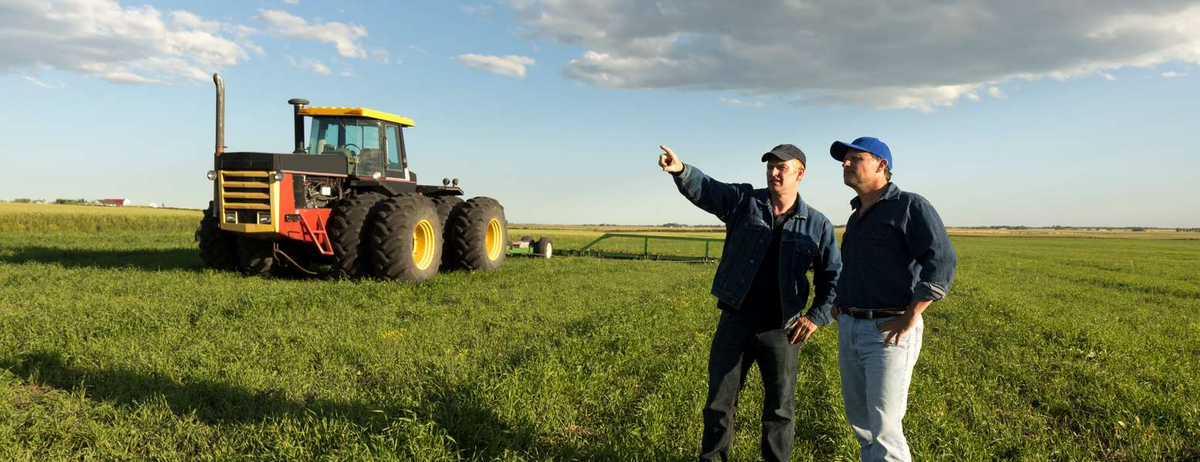
Two farmers standing in a green Arkansas field beside a tractor
Path 01

Agricultural Producer

An individual or entity that receives 50% or more of gross income from agricultural operations — regardless of location.

  • Crops, livestock, poultry, dairy
  • Aquaculture & forestry operations
  • Nurseries & specialty crops
Owner of a rural small business
Path 02

Rural Small Business

A for-profit small business meeting SBA size standards, located in a rural area or non-metro community of fewer than 50,000 people.

  • Retail, manufacturing, services
  • Hospitality, recreation, healthcare
  • Most of Arkansas qualifies as rural
Not sure if you qualify? Let us check for you →
What REAP Funds

Projects that cut your energy bill — and pay you back faster.

REAP supports a wide range of renewable energy and energy-efficiency investments.

Solar PV systems

Ground-mount or rooftop arrays sized to offset your operation's electric load. The most common REAP-funded project type in Arkansas.

Energy-efficient equipment

Replace aging HVAC, motors, lighting, refrigeration, or irrigation pumps with high-efficiency models.

🌾

Grain dryers & storage

Upgrade to energy-efficient grain drying systems and storage equipment — a major win for row-crop and rice operations.

💧

Irrigation & refrigeration

High-efficiency irrigation pumps, walk-in coolers, and cold-storage upgrades for producers and rural businesses.

🍃

Other renewables

Wind, geothermal, biomass, and hydroelectric systems also qualify when technically and financially feasible.

🏭

Building envelope

Insulation, high-performance windows, doors, and roofing improvements for poultry houses, shops, and commercial buildings.

Real Arkansas Producers

What REAP has already done for real Arkansas farms.

Two Arkansas operations that worked with our technical partner Delta Solar to win REAP and put solar on the farm.

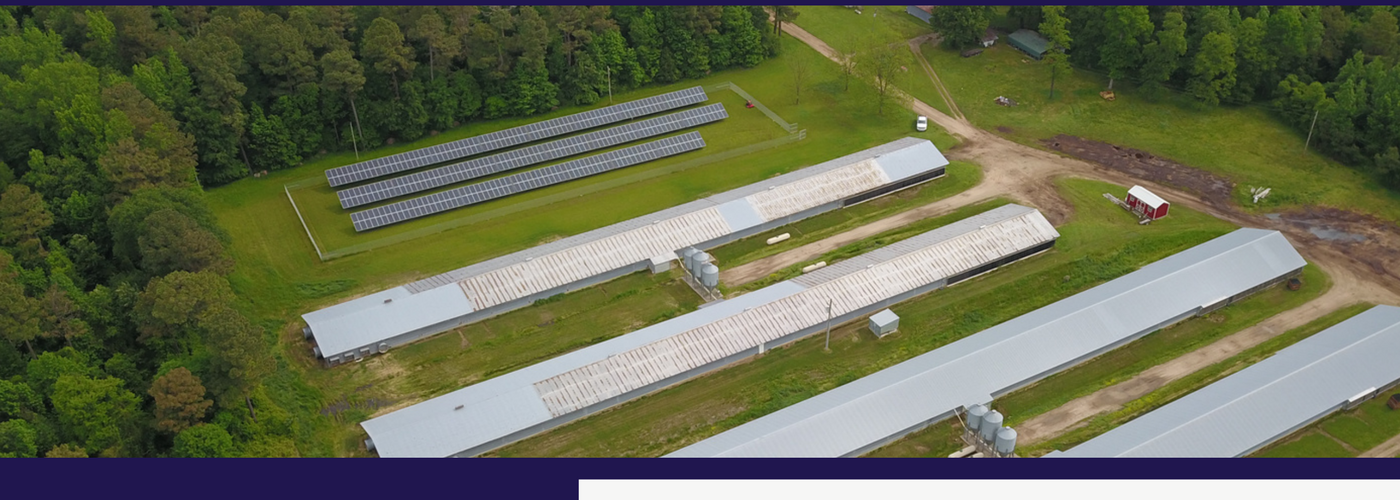
Aerial photo of Boyd Family Farms poultry houses with REAP-funded solar array in Rison, Arkansas
Case Study · Poultry · Rison, AR

Boyd Family Farms

181.7 kW
System size
122,000 sf
Poultry houses
< 5 yrs
Break-even

Six poultry houses across 122,000 square feet — and an energy load that swings with flock cycles. After comparing several designs, Boyd Family Farms built a solar array that offsets nearly all of their farm's electric needs. The result: a low-maintenance investment with a projected break-even under five years.

It was important to us to work with the best and not just the cheapest. Delta Solar was the clear choice — and also happened to be the most cost-effective by a significant margin. Stephen Boyd, Owner
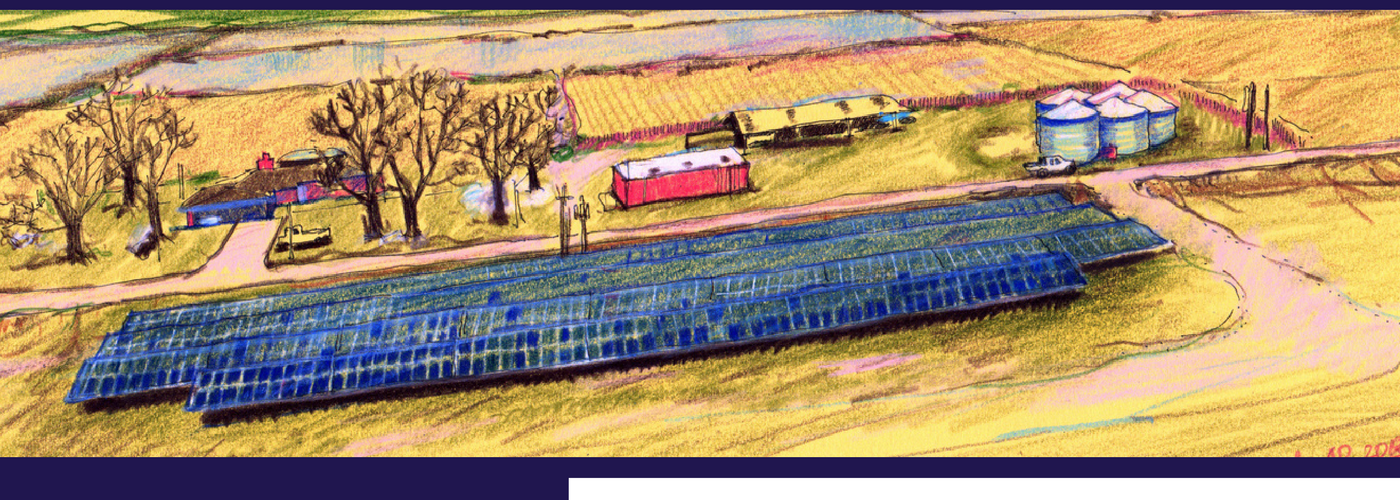
Hand-drawn rendering of Isbell Farms rice fields with REAP-funded solar array in England, Arkansas
Case Study · Rice · England, AR

Isbell Farms

310 kW
System size
5 gens
Family-farmed
3,000 ac
Rice acreage

A fifth-generation Arkansas rice farm growing enough rice to feed 70 million people a year — and a pioneer of Japanese rice production in the U.S. With dozens of meters across irrigation pumps, grain dryers, and shops, Isbell used Arkansas net-metering and meter-aggregation rules to build one centralized 310 kW array instead of many small ones.

We view solar as a valuable part of our operations and would encourage anyone to reach out to Doug and the Delta Solar team. Mark Isbell, Owner
How it works

From "I think I might qualify" to a winning application.

Four steps. We do the heavy lifting — you stay focused on your operation.

STEP 01

Eligibility check

A 30-minute call to confirm producer or small-business status, rural location, and project fit. No paperwork, no obligation.

STEP 02

Energy & site analysis

Our technical partner Delta Solar reviews your utility data, equipment, and site to size the right system and confirm feasibility.

STEP 03

Application build

We prepare the full REAP application — narrative, budgets, environmental documentation, supporting forms — and walk you through every signature.

STEP 04

Submit & follow through

We submit on your behalf and stay engaged through USDA review, environmental clearance, and post-award reporting.

Our Technical Partner

Engineering, energy analysis, and REAP know-how — at no cost to you.

Delta Solar handles the on-the-ground engineering and applicant support.

Technical Partner
Delta Solar — Powering the Future
Arkansas-based · Powering the Future
"The USDA REAP grant can help you go solar with a grant for up to 50% of the system cost. Delta Solar will help you with the entire application process."

An Arkansas team with deep REAP expertise.

Delta Solar serves as the designated technical-assistance partner on this Startup Junkie Foundation program. Their team has installed solar across the state — from poultry operations in Rison to rice farms in England — and walks every applicant through the engineering, energy modeling, and REAP paperwork.

  • Utility-data analysis and energy modeling
  • System design and equipment specification
  • Environmental review documentation
  • Net-metering & meter-aggregation planning
  • Construction-phase support after award
Get Started

Tell us about your project.

It takes about two minutes. A team member will reach out within two business days to confirm eligibility and schedule your free consultation.

100% free, always
No fees, no obligation, no upsell.
Eligibility check first
We confirm you qualify before any paperwork starts.
End-to-end support
From energy analysis through award and construction.
By submitting, you agree to be contacted by Startup Junkie Foundation about REAP technical assistance. We never share your information.

Thanks — we got it.

A team member will reach out within two business days. If you need to reach us in the meantime, email reap-support@startupjunkie.org.

Frequently asked

Common questions, answered.

Is REAP funding guaranteed?
No. REAP is a federal program administered by USDA Rural Development, and its funding levels, scoring priorities, application windows, environmental review requirements, and approval timelines are set by the federal government and can change at any time. Federal budget decisions, administrative priorities, and policy shifts have impacted REAP availability and timelines in the past, and they can again. We do everything in our power to position your application for success, but no one can guarantee a federal award, the timing of an award, or the continued availability of the program in any given year.
Is there really no cost to me?
Correct. Our REAP technical assistance is free to qualifying Arkansas farmers and rural small businesses. You'll never pay us a fee for eligibility screening, application support, or submission help.
How much funding can REAP provide?
REAP grants typically cover 25–50% of eligible project costs, depending on project type, applicant category, and current USDA rules. Grants can be combined with a USDA-guaranteed loan for the remaining project cost. Award amounts range widely — from a few thousand dollars to over $1 million.
What's the timeline from inquiry to award?
Historically, most applicants move from initial consultation to submitted application in 6–12 weeks, depending on how quickly utility data and project specs come together. USDA review typically takes another 60–120 days after submission. These timelines are estimates only — federal review cycles, environmental clearance, and program changes can extend them, sometimes significantly.
I'm near Fayetteville or Little Rock — am I considered "rural"?
It depends on your specific city. Most of Arkansas qualifies as rural under REAP rules (population under 50,000). Some Northwest Arkansas and Little Rock metro cities do not. We can confirm your exact eligibility in the first call.
What's net metering and meter aggregation?
Arkansas has 1-to-1 net metering — every kWh your solar puts on the grid, you can pull back later at the same value. Meter aggregation lets you apply credits from one solar array across multiple meters at your operation. Together they make centralized solar arrays viable for multi-meter farms, even when usage varies seasonally. Delta Solar handles all the planning around this.
What if I'm not ready to build yet?
That's fine — and actually common. We can begin eligibility and feasibility work now and time the application to your project schedule. REAP has multiple application windows each year.
Who is Delta Solar and why are they involved?
Delta Solar is our designated technical-assistance partner. They handle the engineering, energy modeling, and on-the-ground applicant support. Working with us does not obligate you to purchase any equipment or services from Delta Solar — but they are an excellent option if you want a single trusted Arkansas team for the whole project.

Ready to see what REAP could do for your operation?